Thursday, March 5, 2020

Text Neck (Forward Head Posture)


It's frighteningly easy to spot forward-head posture – and a primary cause of the condition – these days. Just look around. Anyone who consistently uses their cellphone, tablet or computer either has FHP or is likely on their way to developing it.

Forward-head posture has also been coined "text neck," "tech neck," "nerd neck" and "iHunch," among other amusing monikers. FHP itself is no laughing matter, however; constant hunching of the shoulders, neck and head can not only compromise posture, but also generate pain in those areas. What's more, recent research suggests FHP can actually influence the brain and the messages it receives, potentially affecting other areas of the body and overall function.

Published in the Journal of Gait and Posture, the study involved 160 participants, split evenly among people with forward-head posture and those with normal head alignment. Participants with FHP and resulting biomechanical dysfunction of the spinal column also can negatively impact the brain, namely nerve impulses that travel toward the brain. Researchers specifically evaluated how feedback to the brain from the upper neck (cervical spine) can be distorted by forward-head posture, finding that problems with this feedback (which then impacts the feedback the brain delivers to the muscles) can potentially compromise proprioception and the vestibular system.

forward-head posture - Copyright – Stock Photo / Register Mark One consequence: A person with forward-head posture may be at higher risk of experiencing poor balance, upping the risk of clumsiness and/or a fall. But because FHP can compromise the autonomic system overall, the condition can have wide-ranging effects on the body. And of course, that's in addition to the pain and dysfunction generated by forward-head posture itself. In other words, a major lose-lose situation when it comes to your health.

Fortunately, that's where your chiropractor comes in.
Your doctor can not only treat forward-head posture and get you back on the road to wellness; they can also help prevent FHP from occurring in the first place, and certainly minimize the risk of it recurring. Of course, prevention is also up to you, by reducing the activities that can contribute to FHP. Talk to your doctor for more information.

Thursday, February 20, 2020

Could Chronic Low Back Pain Lead to a Stroke?


Chronic low back pain, or LBP that lasts for more than about three months, often means it's been ignored for some time, or masked with over-the-counter / prescription medications instead of a proven option such as chiropractic. Think you can just fight your way through back pain, day after day, month after month, even when it becomes chronic? After all, if you can put up with the pain, what else can go wrong? How about a stroke?

Yes, chronic low back pain may increase stroke risk, suggests a new study published in Clinical Neurology and Neurosurgery. The study compared more than 10,000 chronic LBP patients with 20,000-plus patients without low back pain, finding that over an eight-year tracking period, chronic LBP patients  had significantly higher risks of suffering any type of stroke or one of two specific types of stroke: hemorrhagic and ischemic. (The increased risk associated with ischemic stroke was the most significant, according to the authors' findings.) Interestingly, the increased risk was highest in patients under age 50.

danger - Copyright – Stock Photo / Register Mark With that in mind, let's revisit the all-too-common reality of chronic low back pain: often ignored, endured or masked (but not appropriately treated) with pain medications.  For these people, is a stroke in their future? According to recent statistics, that means an estimated 8-10 percent of U.S. adults could be at risk. And don't forget that an estimated 80 percent of adults experience at least one episode of low back pain during their lifetime. Without appropriate care, that episode could become chronic as well.

It's time for a safe, effective solution to low back pain; a solution that addresses the cause, not just the symptoms. It's time to manage back pain before it ever has a chance of becoming chronic. It's time for chiropractic – before your low back pain leads to a stroke. Talk to your doctor for more information.

Monday, October 7, 2019

Headaches and Back Pain- Treat Both!


Can't seem to shake that back pain?

Continually plagued by headaches?

 You're not alone. Chronic back and headache pain are among the most prevalent and disabling disorders worldwide. Even more troubling, experiencing one of these conditions may raise your likelihood of experiencing both.

 But here's the good news: the potential reason why these two disorders may be connected points to a single solution: chiropractic care.

According to research published in the Journal of Headache and Pain, people who suffer persistent back pain or headaches are approximately twice as likely to suffer from both. Their findings are based on a review of studies involving more than 450,000 total participants suffering from back pain and headaches. Overall, the researchers found 14 studies that reported an association between "primary headache disorders and persistent low back pain."

two for one - Copyright – Stock Photo / Register Mark While the study authors do not spell out the cause of the connection between these two common, debilitating conditions, abundant previous evidence suggests musculoskeletal dysfunction, particularly involving the spine and spinal nerves, is a potential factor with both headaches and back pain.

That makes chiropractic care a great option when you're experiencing either condition – or both. In fact, since a chiropractor can help both back pain and headaches, there's a good chance that if you're only suffering from one, chiropractic care may prevent the other from occurring at all.

 Now that's a two-for-one win with chiropractic!

Thursday, January 24, 2019

Chiropractic Better Than Medication for Neck Pain

A study published in the research journal Annals of Internal Medicine and widely reported by mainstream media suggests chiropractic spinal manipulation is more effective than over-the-counter and prescription medication for relieving acute and subacute neck pain. Spinal manipulative therapy was more effective than medication in both the short and long term.

The study involved 272 adults ages 18-65 with neck pain of two to 12 weeks' duration. Participants were recruited from a university research center and a pain management clinic in Minnesota. Spinal manipulation was provided courtesy of a doctor of chiropractic. According to the study, six chiropractors, each with at least five years' experience, provided treatment, with the specific spinal level to be treated and the number of treatments provided left to the discretion of the individual chiropractor.

Instead of chiropractic care, some patients in the study group received medication as monitored by a licensed medical physician. Nonsteroidal anti-inflammatory drugs (NSAIDs), acetaminophen (aspirin), or both served as the first line of pharmacological therapy. With patients who did not respond to or could not tolerate these drugs, narcotic medications and muscle relaxants were prescribed. With each patient, the MD determined the type of medication administered and the number of patient visits.

neck pain - Copyright – Stock Photo / Register Mark Self-reported outcomes, including pain, were measured six times during the 12-week treatment period: at two initial (baseline) appointments; two, four, eight and 12 weeks after treatment began; and on two occasions post-treatment (weeks 26 and 52). Objective measures of cervical spine motion were measured at four and 12 weeks by seven trained examiners who were unaware of which treatment the patients were receiving.

After 12 weeks of treatment, a significantly higher proportion of the SMT group experienced reductions of pain of at least 50% [compared to the medication group]. Specifically, at week 12, more than 82 percent of the SMT group reported a 50 percent or greater reduction in pain; 57 percent reported at least a 75 percent reduction and 32 percent reported a 100 percent reduction. By comparison, the medication group reported reductions of only 69 percent, 33 percent and 13 percent, respectively.

In terms of long-term improvement, 75 percent of the SMT group reported at least a 50 percent reduction in pain after 26 weeks, while nearly 81 percent reported at least a 50 percent reduction at 52 weeks. The medication group's improvement fluctuated from 59 percent reporting pain reduction of 50 percent or more at 26 weeks to 69 percent reporting the same reduction at 52 weeks.

"Participants who received medication seemed to fare worse, with a consistently higher use of pain medications for neck pain throughout the trial's observational period," said the study authors. In other words, chiropractic was a much better choice than medication for neck pain.

Interestingly enough, a third group of patients who received home exercise advice instead of chiropractic care or medication also fared better than the medication group during the study period. That means two forms of conservative, drug-free care - both of which are commonly provided by doctors of chiropractic - were more effective than over-the-counter and/or prescription drugs. The moral of the story? The next time you or someone you know is suffering from neck pain, don't turn to the medicine cabinet or a medical doctor; turn to your doctor of chiropractic.

Thursday, August 30, 2018

The Good News- Bad News About Lower Back Pain


THE GOOD NEWS:
90% of people with low back pain will recover in four to six weeks.
THE BAD NEWS:
10% of people develop chronic low back pain, an epidemic that costs society up to $100 billion a year.
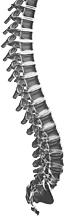
spine - Copyright – Stock Photo / Register Mark
THE GOOD NEWS:
Spinal manipulation is one of the only treatments consistently recommended for dealing with acute low back pain.
THE BAD NEWS:
Far too many people don't visit a chiropractor for their pain and instead choose to pop over-the-counter pain medication at alarming rates.
exercise bike - Copyright – Stock Photo / Register Mark
THE GOOD NEWS:
While bed rest may seem like the rational thing to do when in pain, evidence suggests proper exercises to increase mobility and reduce loss of muscle strength are key to recovery.
THE BAD NEWS:
One of the biggest predictors of chronic back pain is called "pain avoidance behavior," which means once you get the pain, you do everything you can to avoid anything that will cause pain

Thursday, May 10, 2018

Back Pain: What Helps and What Doesn't

An important collection of papers published in research journal The Lancet highlight the global impact of low back pain, the ineffectiveness of current medical treatments, and the value of spinal manipulation and other nondrug options before turning to medication is receiving substantial media attention. One of the brightest spotlights: a "Health Alert" segment on a recent episode of "Good Morning America" titled "New Research on Lower Back Pain: Are Millions of People Getting Ineffective Treatment?"

"GMA" anchor Robin Roberts opened the segment with this statement to the show's estimated 4.5 million viewers regarding lower back pain: "As many as 540 million people suffer from it. According to new research, many treatments, [including surgery and pain medication] ... could be all wrong."
She then introduced Dr. Jennifer Ashton, chief health and medical editor for the show. Dr. Ashton, who described the papers as the "magnum opus on low back pain" and The Lancet as "very reputable," said the material "[draws] attention to the massive gap between evidence-based medicine and what's really going on" when it comes to the treatment of back pain.

According to Dr. Ashton, reporting on the papers, back pain is a "massive global public health burden." First-line treatments include staying active ("the worst thing you can do is get in bed") and education: learning "what works and doesn't from reputable sources." Second-line treatment options (Dr. Ashton urged viewers, "This is really what I want people to pay attention to") include superficial heat, spinal manipulation, massage and acupuncture. [Italics mine]

Good Morning America - Copyright – Stock Photo / Register Mark Dr. Ashton added that NSAID medication (nonsteroidal anti-inflammatory drugs, commonly available as over-the-counter pain meds such as Advil, Aleve, etc.) is also considered a second-line treatment according to The Lancet papers, but should be utilized "only if the other things are not working."

The Lancet content on lower back pain, published online on March 21, features two "series" papers, a "viewpoint" and a "comment," all of which are available in full-text format free of charge on the journal's website:
  • "What Low Back Pain Is and Why We Need to Pay Attention" (Series 1) (Hartvigsen J., et al.)
  • "Prevention and Treatment of Low Back Pain: Evidence, Challenges and Promising Directions" (Series 2) (Foster N.E., et al.)
  • "Low Back Pain: A Call for Action" (Viewpoint) (Buchbinder R., et al.)
  • "Low Back Pain: A Major Global Challenge" (Comment) (Clark S., et al.)
The "GMA Health Alert" on LBP is also available online in its entirety, and can be accessed by clicking here. To access the Lancet content, click the links above. To learn more about the value of chiropractic spinal manipulation for low back pain and why pain medication isn't your first option, talk to your doctor.

Thursday, April 12, 2018

Can Headaches Come From The Neck?


Headaches are a very common problem that can have multiple causes ranging from stress to trauma.  To make matters worse, there are MANY different types of headaches. One such type is the “cervicogenic headache” (others include migraines, cluster headaches, etc.). "Cervicogenic" means a headache caused by problems in the neck.

The main distinction between the symptoms associated with cervicogenic headaches and those associated with migraine headaches are a lack of nausea, vomiting, aura (a pre-headache warning that a headache is about to strike), light and noise sensitivity, increased tearing with red eyes, one-sided head, neck, shoulder, and/or arm pain, and dizziness. The items listed above are primarily found in migraine headache sufferers.   The following is a list of clinical characteristics common in those struggling with cervicogenic headaches:

·        Unilateral (one-sided) head or face pain (rarely is it on both sides).
·        Pain is localized or stays in one spot, usually the back of the head, frontal, temporal (side) or orbital (eye) regions.
·        Moderate to severe pain intensity.
·        Intermittent attacks of pain that last hours to days.
·        Pain is usually deep, non-throbbing, unless migraines occur at the same time.
·        Head pain is triggered by neck movement, sustained awkward head postures, applying deep pressure to the base of the skull or upper neck region, and/or taking a deep breath, cough or sneeze can trigger head pain.
·        Limited neck motion with stiffness.

Infrequently, the cervicogenic headache sufferer can present with migraines at the same time and have both presentations making it more challenging to diagnose.

The cause of cervicogenic headaches can be obvious such as trauma (sports injury, whiplash, slip and fall), or not so obvious, like poor posture. A forward head posture can increase the relative weight applied to the back of the neck and upper back as much as 2x-4x normal. Last month, we discussed the intimate relationship between the upper two cervical vertebra (C1 & C2) and an anatomical connection to the covering of the spinal cord (the dura) as giving rise to cervicogenic headaches. In summary, the upper three nerves innervate the head and any pressure on those upper nerves can result in a cervicogenic headache. Doctors of chiropractic are trained to examine, identify, and treat these types of potentially debilitating headaches.

Thursday, January 18, 2018

Smoking = Back Pain

If you're a current smoker, we hope you're speaking with a health care professional right now about how to quit. If you're not, we urge you to consider doing so, because your risk of suffering one or more of any number of diseases appears to increase dramatically if you're a smoker. In fact, even back pain occurs more frequently if you're a smoker, and the pain may lead to surgery.

Lumbar spinal stenosis, a condition characterized by spinal canal narrowing that causes low back pain due to the increased pressure on spinal nerves, appears to be more prevalent in smokers because nicotine constricts blood flow and promotes inflammation. In a study published in The Spine Journal, researchers discovered that smokers were more likely not only to suffer from lumbar spinal stenosis, but also to eventually undergo surgery for the condition. In fact, compared to nonsmokers, heavy smokers (15 or more cigarettes per day) were 46 percent more likely to undergo surgery, while moderate smokers (14 or less cigarettes daily) had a 31 percent higher risk and even former smokers had a 13 percent increased risk.

spine pain - Copyright – Stock Photo / Register Mark What's the takeaway? Smoking can lead to back pain requiring surgery, and the more you smoke, the worse the risk. And while even ex-smokers have a small increased risk compared to nonsmokers, it's significantly lower than the risk inherited by smokers. Just another reason to say no to smoking. Talk to your doctor about the smoking cessation program that's right for you.

Tuesday, November 28, 2017

Exercise: Back Pain's Kryptonite?

Eight in 10 people experience back pain at some point in their lives, and according to a recent Gallup survey, the statistics are even more concerning, particularly if you include neck pain in the conversation. Per the survey, back and/or neck pain has been an "ongoing problem" (lasting five years or more) in more than half of people who visited a health care professional in the previous 12 months for one or both of those complaints.

Now here's where it gets interesting. According to the same survey, nearly eight in 10 (78 percent) would rather try nondrug pain-relief options before using a prescription pain medication. (Chiropractic would be a great option, of course.) And to reduce pain intensity (or perhaps even prevent it from striking in the first place), here's a simple strategy to combine with your periodic chiropractic wellness care: exercise.

risk analysis - Copyright – Stock Photo / Register Mark Yes, research suggests people who exercise are less likely to develop low back pain – 33 percent likely, according to a review of 16 previously published studies published in the American Journal of Epidemiology. Exercises that strengthen and stretch the lumbar (low back) and abdominal muscles, or strengthening and aerobic exercises combined, seem to do the trick, according to the lead study author. And it gets better: Back pain severity and resulting disability were also lower in patients who exercised.

Thursday, October 26, 2017

Alternatives to Drugs and Surgery for Back and Neck Pain


It's a great time to visit your chiropractor, and a recent Gallup survey makes it clear: pain is a major issue for many people, and overwhelmingly, they would rather try nondrug pain-relief therapies such as chiropractic care versus pain-relieving medications. Well, they're in luck, because chiropractic offers the answer.

According to the 2017 Gallup-Palmer College of Chiropractic Annual Study of Americans, pain is an ongoing issue for many Americans, particularly neck and back pain (two conditions commonly treated by chiropractors): "About one in four adults in the U.S. (27%) have seen a healthcare professional for significant neck or back pain in the last 12 months. More than half of those adults (54%) have had an ongoing problem with neck or back pain for five years or more."

But medication is not the preferred option, particularly in light of the opioid epidemic: Nearly eight in 10 (78 percent) of Americans "prefer to try other ways to address their physical pain before they take pain medication prescribed by a doctor." And yet pain medications are still widely used: "Among those who have had ongoing neck or back pain for less than 12 months, seven in 10 have taken a nonsteroidal anti-inflammatory drug (NSAID), such as Advil®, aspirin or Aleve®, to manage the pain, and 45% have taken acetaminophen, such as Tylenol.®"

time for chiropractic - Copyright – Stock Photo / Register Mark So, let's sum up: Americans are in pain, don't want to take prescription pain medication, but often take over-the-counter pain medication. Sounds like it's time for chiropractic instead, especially in light of the fact that according to the survey, Americans perceive chiropractic as safer than both prescription and OTC medication and back surgery for neck / back pain.

Don't risk the potential side effects of pain medication – drugs that only temporarily relieve the symptom (pain) – when your chiropractor can relieve your pain without drugs while addressing the root cause of your problem. It's time for chiropractic.

Thursday, September 28, 2017

How Sleep Effects Back and Neck Pain

Not getting enough sleep – or not enough quality sleep that leaves you refreshed and ready to take on the day, rather than fatigued, irritable and ready to crawl right back into bed? A major health issue could be in your future: chronic pain. In fact, your odds of suffering chronic pain due to poor quality and/or quantity of sleep may increase by a factor of two or three compared to people who experience better sleep.

A large multi-national review of 16 studies spanning 10 countries and involving 61,000 participants arrived at this disturbing conclusion, with the lead study author even declaring that the impact of sleep on pain may be more significant than the impact of pain on sleep – often regarded as a major contributor to poor sleep.

poor sleep - Copyright – Stock Photo / Register Mark And that wasn't the only finding: Poor sleep also was associated with impaired responses to bacteria, viruses and other foreign substances, poor physical functioning, increased inflammation, higher cortisol levels, and other markers of pain, fatigue and overall compromised health.

Chronic pain isn't something to mess with, but you don't have to, thanks to your doctor of chiropractic. Discuss any pain you're experiencing and don't forget to mention any sleep issues. Whether poor sleep is causing your pain, or pain is causing poor sleep, your chiropractor can help determine the cause and correct it. Now that's called a win-win.

Thursday, August 3, 2017

Can Children Get Back Pain Too?

As adults, we get used to a variety of daily or near-daily aches and pains, particularly as we age. But what about our children? Don't they seem immune to many, if not all, of the pain complaints we have – despite the fact that for the most part, they're exponentially more active?

Maybe not. A study of schoolchildren ages 12-15 revealed a startling statistic: More than half (57 percent) reported experiencing back pain in the past year. As you might expect, "remaining seated at school" was a primary pain trigger, particularly for back pain lasting up to seven days.

These findings not only point to the universality of back pain – and the need for it to be addressed by qualified health care professionals such as doctors of chiropractic; but also the need to recognize and avoid situations that may increase the risk of experiencing an episode of back pain.

back pain - Copyright – Stock Photo / Register Mark For example, evidence implicates ergonomic flaws both in the school and workplace (desk / chair height, etc.) in back pain, not to mention carpal tunnel syndrome, neck pain and other conditions. What's more, the act of sitting alone creates undue stress on the spinal column and encourages poor posture whether at school, work or home, a major initiator of back pain and related conditions.

If anyone in your family is suffering from back pain, do something about it. Talk to your doctor about the potential causes and solutions.

Thursday, June 8, 2017

5 Common Causes of Neck Pain

Neck pain can be acute (short term) or chronic (recurring or persisting for months and even years), but regardless, when you're in pain, relief is the first thing on your mind. Just as important as relief, of course, is finding the cause and ensuring you avoid the behavior / action that brought the pain on in the first place. Here are five common causes of neck pain – and why doctors of chiropractic are well-suited to relieve the pain and determine the underlying cause.

1. Poor Posture: Leaning over a desk all day or slouching in your office chair? You're bound to develop neck pain eventually, if you haven't already. Do this quick test: In an upright or seated position, round your shoulders and back (poor posture). Does it impact your neck as well? Exactly!

2. Monitor Madness: Staring at the computer screen for hours at a time? That's not good for your health (or sanity), but from a neck pain perspective, it's madness, particularly if the screen height forces you to crane your neck up (too high) or extend it down (too low).

3. Sleep Issues: Ideally, we spend a third of our day sleeping, so your sleep habits – for better or worse – can have a dramatic effect on your health. With regard to neck pain, anytime you sleep in an uncomfortable position, particularly one that stresses your neck musculature (think about side-sleeping while grabbing your pillow tightly, sleeping on your stomach with your arms out in front of you, or even sleeping on your back, but with a pillow that doesn't adequately support your neck), you risk neck pain.

neck pain - Copyright – Stock Photo / Register Mark 4. Technology Overload: We may spend a third of our day sleeping, but we increasingly spend the other 16 hours typing, texting, tapping and otherwise interacting with our smartphones, tablets, etc. Bottom line: bad for your neck. One doctor has even coined the phrase, "text neck," to describe the neck pain that can result from this constant technology interaction.

5. The Wrong Movement: Twisting, turning, stretching and stressing your neck is an easy way to cause neck pain. While the muscles in the neck are strong, they can be strained, sprained and even torn, just like any other muscle.

It's important to note that beyond these common causes, various other health issues can also contribute to or directly cause neck pain, including fibromyalgia, cervical arthritis or spondylosis (essentially spinal arthritis), spinal stenosis (narrowing of the spinal canal), infection of the spine, and even cancer. The good news is that a doctor of chiropractic can help identify which of these or the above causes is to blame.

When neck pain strikes, most people turn to a temporary solution first: pain-relieving medication. But that's not a permanent solution, of course, and it doesn't address the cause of the pain at all, which could be something relatively minor – or more serious. What's more, research suggests chiropractic spinal manipulation is actually more effective than over-the-counter and prescription medication for relieving both acute and subacute neck pain.

Suffering from neck pain? Then give your doctor of chiropractic a call. They'll help you relieve your pain and determine the cause so it doesn't return.

Wednesday, May 10, 2017

Got Back Pain? Chiropractic Works

Whether you're a current chiropractic patient or just considering becoming one, low back pain may be the reason why. Nearly 80 percent of adults experience at least one episode of low back pain during their lifetime, and for many, the pain can recur and/or become chronic. Fortunately, the research continues to suggest spinal manipulation (chiropractic adjustments) is a primary treatment option to get rid of the pain.

Case in point: a study published in the Journal of the American Medical Association, no less, that reviewed 15 studies and found spinal manipulation reduced pain and improved function after six weeks of treatment. The benefits were similar to those achieved with nonsteroidal anti-inflammatory drugs (NSAIDs), common over-the-counter pain relievers that come with a long list of potential side effects, particularly if used for more than a short time.

problem solution - Copyright – Stock Photo / Register Mark These findings are particularly important because as we've discussed in the last blog post, managing pain with drugs – particularly opioids – has become a dangerous epidemic, and health care providers of all types are increasingly appreciating the value of nondrug care for back pain. In fact, the American College of Physicians' new guidelines on low back pain recommend spinal manipulation among the nonpharmaceutical options that should be tried first, before resorting to medication. Talk to your doctor for more information.

Thursday, March 16, 2017

Seven Signs and Symptoms: Opioid Prescription in Leading to Danger

When a physician prescribes an opioid -- such as oxycodone (OxyContin, Roxicodone) and those containing hydrocodone (Vicodin, Lortab, Norco) -- to help you or a loved one to manage nagging back pain, the last thing on your mind is that the drug is addictive and may lead to dependency, drug abuse, or even death.

Think Again.

Addiction can happen quickly -- within a few weeks -- and depends upon the specific
drug.

According to the Mayo Clinic, the signs and symptoms of problems related to prescription opioid painkillers include:
  • Constipation
  • Nausea
  • Drowsiness
  • Slowed breathing rate
  • Confusion
  • Poor Coordination
  • Increased pain with higher doses
Be on the lookout for other signs:
  • Stealing, forging or selling prescriptions
  • Taking higher doses than prescribed
  • Excessive mood swings or hostility
  • Increase or decrease in sleep
  • Poor decision-making
  • Appearing to be high, unusually energetic or revved up, or sedated
  • Continually "losing" prescriptions, so more prescriptions must be written
  • Seeking prescriptions from more than one doctor
If you think you, your friend or loved one may have a problem with prescription drug use for non-cancer related pain, talk to the doctor.

Don't feel embarrassed or fearful of betraying a confidence.

It's far easier to tackle the problem of prescription drug abuse early -- before it becomes a dangerous addiction that leads to more-serious health or life-threatening behaviors.
A better alternative for dealing with pain is to access care from a doctor of chiropractic (DC) -- right from the onset of back, neck or musculoskeletal pain.
According to the Foundation for Chiropractic Progress, a not-for-profit organization dedicated to providing consumers with education and a greater understanding of the value of drug-free pain management, chiropractic care is a safer option than opioids.

A DC is highly educated and trained to provide effective acute, subacute or chronic back pain management. Chiropractic care is covered by most insurance and health plans.
Help to spread the message that prescription opioid drugs can be dangerous -- and that there are safer options for you, your friends and your loved ones.

Thursday, January 19, 2017

Back Pain & Risk of Falling: A Dangerous Combination

In our last blog article, we featured research suggesting chronic back pain may lead to mental health problems including depression, stress and even psychosis. But the reality gets more grim, particularly if you're a senior: Back pain may increase the risk of falling, and when you're older, that can be a serious health issue with serious consequences.

Here's why: According to the National Institutes of Health (NIH), more than 1.6 million older U.S. adults visit the ER for a fall-related injury every year. In fact, falls are the No. 1 cause of fractures, hospital admissions for trauma, loss of independence and injury deaths among the elderly population.

back pain - Copyright – Stock Photo / Register Mark Now back to the latest study: Researchers tracked more than 6,000 men ages 65 and older, assessing their frequency of back pain, episodes of falling and other variables that could also influence fall risk (medication use, dizziness, disabilities and pain in other areas of the body). Men who reported back pain were 30 percent more likely to suffer multiple falls compared to men without back pain, and risk correlated with the prevalence of back pain: two sites of pain increased the risk compared to just one site, and three sites increased the risk even further. 
Increasing severity and frequency of back pain also increased fall risk, according to the study.

The takeaway is simple: If you're suffering from back pain, regardless of age, it's time to visit your doctor of chiropractic. Your body will thank you for it.

Tuesday, January 10, 2017

How Back Pain Can Effect Your Mental Health


If you're not already utilizing chiropractic care to resolve your back pain and reduce the likelihood it will return – not to mention improving your overall health and wellness – that means one of two things: you haven't suffered back pain (yet) or you've decided to temporarily suppress the pain with over-the-counter or prescription medications. The latter is, as mentioned, a temporary solution that doesn't address the root causes of the pain, while the former is also likely temporary, since an estimated 80 percent of adults will suffer back pain at some point in their lifetime.

Back pain can be a problem for a variety of reasons beyond the pain, whether it's limiting your daily function, forcing you to take time off work, or otherwise impacting your life. But there's another reason suggested by recent research that should vault "getting rid of back pain" to the top of your priority list: Back pain could increase your risk of suffering mental health problems.

back pain - Copyright – Stock Photo / Register Mark The study used data from the World Health Organization's World Health Survey 2002-2004 and involved more than 200,000 study subjects ages 18 and older from 43 countries. Data analysis revealed that compared to people without back pain, those with pain were more than twice as likely to suffer from one of five mental health conditions: anxiety, depression, psychosis, stress and sleep deprivation. Subjects with chronic back pain were particularly at risk for a depressive episode (more than three times more likely) or psychosis (2.6 times more likely) compared to pain-free subjects.

Think you've got your back pain handled? Nice try. Do something about the pain - and the potential mental health consequences - with regular visits to your doctor of chiropractic.

Thursday, December 22, 2016

How Poor Posture Can Cause Back and Neck Pain


If you don't have good posture, what do you have? Poor posture can lead to a variety of health problems over time, and yet too many people have bad postural habits. It's time to understand the fundamentals of proper posture and how you can stay healthy from head to toe.
 
Sit up straight! Stop slouching! Don't stare at the floor when you walk! These are the classic phrases children hear from their well-intentioned parents regarding posture. As children, we learn early on that posture is important, but generally never fully understand its role in our health, what causes poor posture or how to positively influence it. Let's start with a simple definition from the Merriam-Webster dictionary, which defines posture as "the position or bearing of the body whether characteristic or assumed for a special purpose." Want to know more? Read on...

Ideal Posture

Let's focus for just a moment on the characteristic aspect of posture, the basic form we take while standing or walking. The human body is designed to stand with the eyes level with the horizontal plane of the Earth. Viewed from the front, the shoulders and hips are level and the spine is vertical. From the side view, the ear is over the shoulder, the shoulder is over the hip and the hip is over the knee, which is over the ankle.

image - Copyright – Stock Photo / Register Mark Think of it like the foundation of a house. The foundation can settle, creating structural stress that can crack the plaster on the walls or ceiling. The same is true for our bodies. Unequal support in the foundation of our body, our feet,can create stress in our structure that can show up as poor posture. This poor posture can lead to tight muscles, stiffness and ultimately contribute to joint degeneration in the knees, hips and spine. Basically, small imbalances over time can lead to big problems for our bodies.

Common Postural Problems

The most common signs of postural stress are one ear being higher than the other and unlevel shoulders or hips. You can also detect postural stress from the side if the ear looks as if it has moved forward of the tip of the shoulder or if the hips appear to have moved forward.

The first thing to do is find out where your postural stress is coming from. Certain jobs require you to sit, stand, twist or bend in repeating patterns, which can create postural stress. If you sit at a computer for long periods of time, that can have a tendency to create a forward head positioning, causing stress in the neck and upper back. Bending and twisting motions can cause an over development of muscles on one side of the body compared to the other side, which can also be a source of postural stress.

The foundation of posture is actually the feet. It is very common for there to be slight differences in the arches of the feet, which create a slight imbalance. This imbalance can cause a chain reaction all the way up the spine, affecting postural balance. One sign of foot imbalances is when one foot flares out more than the other. Both feet should point forward with only the slightest outward flare when you walk.

Flat feet, a condition also known as excessive pronation, can produce slight twisting movements in the knees and hips, causing one hip to be higher than the other. This is usually more pronounced on one side and is not typically painful, but it explains why one knee or hip can develop soreness or stiffness more than the other one.

A Few Things You Can Do

Get checked - If your posture is breaking down as a result of improper foot balance, it is important to have your feet examined to determine if a custom-made, flexible shoe orthotic will be beneficial. Orthotics create a solid foundation for your pelvis and spine by limiting excessive motion in the feet. Having a stable foundation helps to improve your posture. Your doctor can provide you with more information.

Improve flexibility - This is important because postural stress causes some muscles to work harder than others, creating tension and stiffness. Mirror image exercises are stretching and strengthening exercises designed to restore muscle balance by stretching in the direction away from the postural imbalance. If you are looking in a mirror and one shoulder is higher than the other, you will want to stretch and strengthen in the direction that makes the shoulders level. The same concept works for the lower back.

Work with your chiropractor - Be sure to work closely with your chiropractor in developing a plan of action, and then check your progress with a postural analysis. It is important to remember that the body works best when it is in balance, so that should be the goal of all of your stretching and strengthening exercises.

Good posture does a whole lot more than just allow you to stand and walk tall. It's a full-body improvement that benefits you from head to toe.

image - Copyright – Stock Photo / Register Mark Benefits of Good Posture:
  • Joint mobility
  • Injury prevention
  • Improved balance
  • Overall wellness
Consequences of Poor Posture:
  • Muscle tension
  • Back and neck pain
  • Fatigue
  • Degenerative arthritis

Thursday, December 8, 2016

Dealing With Pain


PAIN is a significant problem in our society, and the way too many of us deal with it, either by taking medication to temporarily relieve the pain or ignoring the pain altogether, foolishly hoping it will go away, is an even bigger problem, contributing to long-term disability and reduced quality of life. Here are a few important pieces to the puzzle that can help you deal with pain now and prevent future episodes - chronic pain- from ruining your life.
 
How do you feel at this very moment? You can do a easy self-check just by moving your neck, shoulders, arms and legs around. Do you have any aches and pains anywhere? If your response is, "Don't most people have pain somewhere in their body?" or "Doesn't pain come with old age?" keep in mind that while that's true, it doesn't mean you have to accept it. And remember, pain isn't just physical. The emotional stress it creates can be as hard on you as the pain itself. Let's talk about ways you can find relief from your physical pain, which will undoubtedly lighten your emotional load at the same time.

Pain Defined
Chronic pain puzzle - Copyright – Stock Photo / Register Mark Pain is defined as an unpleasant sensation that can range from mild, localized discomfort to sheer agony. Pain has physical and emotional components. The physical part of pain results from nerves being stimulated. Pain may be confined to a specific area, as in an injury, or it can be spread throughout the body. Around the world, millions of people live with pain in some form or another, involving many different body parts, on a daily basis.

One of the most interesting things about pain is how each human being deals with it. Some learn to live with pain. Others can't stand to feel even an ounce of it. The most common types of pain include arthritis, lower back, bone/joint pain, muscle pain and fibromyalgia (widespread pain, tenderness and fatigue in muscles,tendons and ligaments). Back pain is the most frequent cause of limited activities for people younger than 45 years old.

Acute vs. Chronic Pain
Acute pain is a normal sensation triggered in the nervous system to alert you to possible injury and the need to take care of yourself. This type of pain comes on quickly and can be severe, but it lasts a relatively short period of time. In general, acute pain is in response to an event that happens to the body. It may be a result of surgery or an accident.

Chronic pain is different. Chronic pain tends to stay around or progress over longer periods of time. Pain signals keep firing in the nervous system for weeks, months or even years. Oftentimes, chronic pain is resistant to traditional medical treatments. The emotional component of pain often comes into play in a chronic situation.

The Consequences of Pain
The loss of productivity and daily activity due to pain is substantial. Americans spend at least $50 billion per year on back pain, and that's just for the more easily identified costs. Pain has a negative impact on an individual's quality of life. It diminishes one's ability to concentrate, do their job, exercise, socialize, perform daily tasks and sleep. Over time, this can lead to depression, isolation and loss of self-esteem. Researchers have found that depression is the most frequent psychological reaction to chronic pain.

If you hurt an area of your body and do not restore proper, healthy movement patterns, you will end up with problems later down the road. I can't tell you how many patients I have seen who got in car accidents and hurt their neck and back, but waited to get treatment and used pain as the indicator for how they feel. Eventually, the pain went down or even away, but they were often left with problems in their bones and joints.

Common Causes and Sources of Chronic Pain
An initial injury like a trauma, fracture, sprain/strain, or serious infection may be the cause of the chronic pain. There could also be an ongoing cause like arthritis, cancer, an ear infection or injuries that never healed properly. Some people even suffer chronic pain in the absence of any past injury or evidence of body damage. Many chronic pain conditions affect older adults. Common chronic pain complaints include headache, low back pain, cancer pain, arthritis pain, neurogenic pain (pain resulting from damage to the peripheral nerves or to the central nervous system itself), and psychogenic pain (pain not due to past disease or injury or any visible sign of damage inside or outside the nervous system).

Quite simply, pain can come from anywhere in the body. The source can be the neck, shoulders, low back, hips and everywhere else. Many times, the location of the pain depends on how the injury happened. Perhaps someone injured their shoulder while throwing a ball. Maybe someone sprained their ankle while running. How about the person who falls down the stairs and hurts multiple parts of their body simultaneously?

Solving the Chronic Pain Puzzle
Girl do yoga - Copyright – Stock Photo / Register Mark Pain is a complex puzzle. For certain cases, it takes complex solutions to help solve that puzzle. In some cases, the individual's pain is so debilitating that it requires the use of X-rays or other special imaging to visualize the problem that is occurring in the spine or extremities. It may be appropriate to use any of the following: Chiropractic, Chinese medicine, acupuncture, nutritional supplementation, massage/bodywork, yoga and psychological therapy. In some cases, it may even require over-the-counter or prescription medication (although the goal is to avoid relying on these because of the potential side effects). But there are definitely things you can do that can help you prevent and treat chronic pain. Let's explore these strategies that, as you might have guessed, are all related to one another.

1. Posture: You have probably been told at different times of your life about the importance of good posture. "Sit up straight" or "don't slouch" are probably familiar phrases to you. Proper posture is difficult to attain, so don't stress yourself out about it. When you are sitting, put a rolled-up towel or sweatshirt in the small of your back. Sit all the way back to the rear of the chair so you feel the support in your back. When you stand, stand against the wall or a post so you can maintain erect posture. It is important to strengthen your core muscles, the muscles along the spine. Yoga, Pilates or a specific workout program with weights will help you achieve this. You may want to find a personal trainer to help you focus on specific exercises to help you achieve your goals.

2. Balance: As you develop strength, you begin to develop balance. Many of the positions utilized in yoga, Pilates and weight training work specifically on balance. Would you believe that your feet also have a lot to do with balance? The three arches you have in your feet must all be supported in order for the rest of your body to have good support as well. If one or more of the arches is flat, it can significantly affect the stress to your joints and your ability to exercise efficiently. Ask your chiropractor about analyzing your feet to see if you need arch supports.

3. Spinal Load and Stability: Understanding how to exercise or perform any type of sporting activity is crucial to your health. How many people do you know who lift weights incorrectly? On a daily basis, I see patients who have hurt themselves with physical activity. By being careful and doing your exercises properly, you can reduce the amount of spinal load (stress) and instability you create for your body. I cannot tell you how important it is to make sure your feet and all of the joints above them are healthy and moving properly. When your joints move well, you can perform activities optimally and with minimal stress on your body.

4. Alignment: Exercising makes your muscles stronger, which also helps maintain structural and bony alignment. Chiropractic care is hopefully a regular part of your life. Visits to your chiropractor at a frequency you both find appropriate will help you maintain your alignment.


Keep in mind that pain may be indicative of a serious underlying condition. Always talk to your doctor about any pain you are experiencing, particularly if it does not go away or worsens with time.
Thursday, October 13, 2016

Avoid Sitting Too Long For Back Pain Relief


Partly due to rising health costs and the awareness that sitting for long periods has a negative effect on health, there is some significant motivation to get workers out of their chairs and on their feet. In addition to the stated health benefits, people tend to be more productive when they work on their feet.
Even the American Medical Association (AMA) recognizes that prolonged sitting is bad for you. The AMA recently adopted a new policy on sitting at work. It is now urging employers and others to make alternatives to sitting available to workers. AMA board member Dr. Patrice Harris said, "[giving] employees alternatives to sitting all day will help to create a healthier workforce."

A Nation of Obese Sitters

So, is sitting a healthy thing to do? It would appear not! At least not for long periods of time. In spite of significant evidence, the plain fact is we have become a nation of sitters. We sit at work, sit on the way to and from work, sit while we eat, and sit during the evening while watching TV. Among some of the other negative aspects of prolonged sitting, there is a correlation between the amount of time spent seated and the development of obesity. It's really no wonder we are becoming a nation of obese sitters.

In addition to its recent policy on sitting at work, the AMA just saw fit to make obesity a disease, rather than a lifestyle choice. Interesting call!  Labeling obesity as a "disease" sort of takes the personal-responsibility part out of the equation.

So, back to the sitting thing. There is ample evidence that sitting, whether at work or at home watching TV, has a negative effect. Studies show that prolonged sitting leads to an increase in childhood obesity, diabetes and even attention problems.

An interesting study was published a few years ago in the Archives of Internal Medicine. The study was conducted at Duke University and looked at the impact of obesity on worker's compensation costs. Workers with a body mass index (BMI) greater than 40, filed twice as many worker's compensation claims, had seven times higher medical costs, and lost 13 times more time from work when compared to non-obese workers.

Tools to Help Fight the "Sitting" Epidemic

In an attempt to curb the sitting epidemic, the American Heart Association (AHA) is promoting a new device. It's actually a smartphone app, Hotseat. It is designed to do one thing: Get people out of their seats for a few minutes throughout the day.

I'm not in the habit of promoting products, but this one has me intrigued. A pilot study by the AHA found that 71 percent of the app users took more breaks from sitting during the workday. Additionally, nearly 87 percent of the workers said that using the app made them more aware of the time they spend sitting.

Those using Hotseat set up an individual break profile, one that they feel comfortable and capable of doing. They then set up the number of breaks they want to take and when they want to take them. Each break is approximately two minutes in length. Rather than a fixed schedule, the app syncs the breaks with the worker's calendar. Nifty use of a smartphone. Fran Melmed, the creator of the Hotseat app, says it is designed to combat "sitting disease."

One other thing that seems to help is the treadmill desk. . The treadmill desk consists of a treadmill that is set up as a standing workstation.

Perhaps the most important thing you can do is move more. Don't spend too long in any one position. Take the stairs rather than the elevator. Park far enough away from the store that you are forced to walk a bit. Take walks after lunch and dinner.

I'm always amused when a worker who has injured his/her back is given a temporary work assignment that involves seated work. The opportunity to sit at work is considered to be "light work." In reality, it comes with its own price.

I'm personally pleased to see the interest in the negative effects of sitting. Prolonged sitting leads to a variety of health problems, from obesity to back pain to postural fatigue. It behooves all of us, doctors and patients alike, to move around more.